

Workshop 7 recap

P&C as a Strategic Business Enabler

PERFORMFriday 16 October 202660 minutes

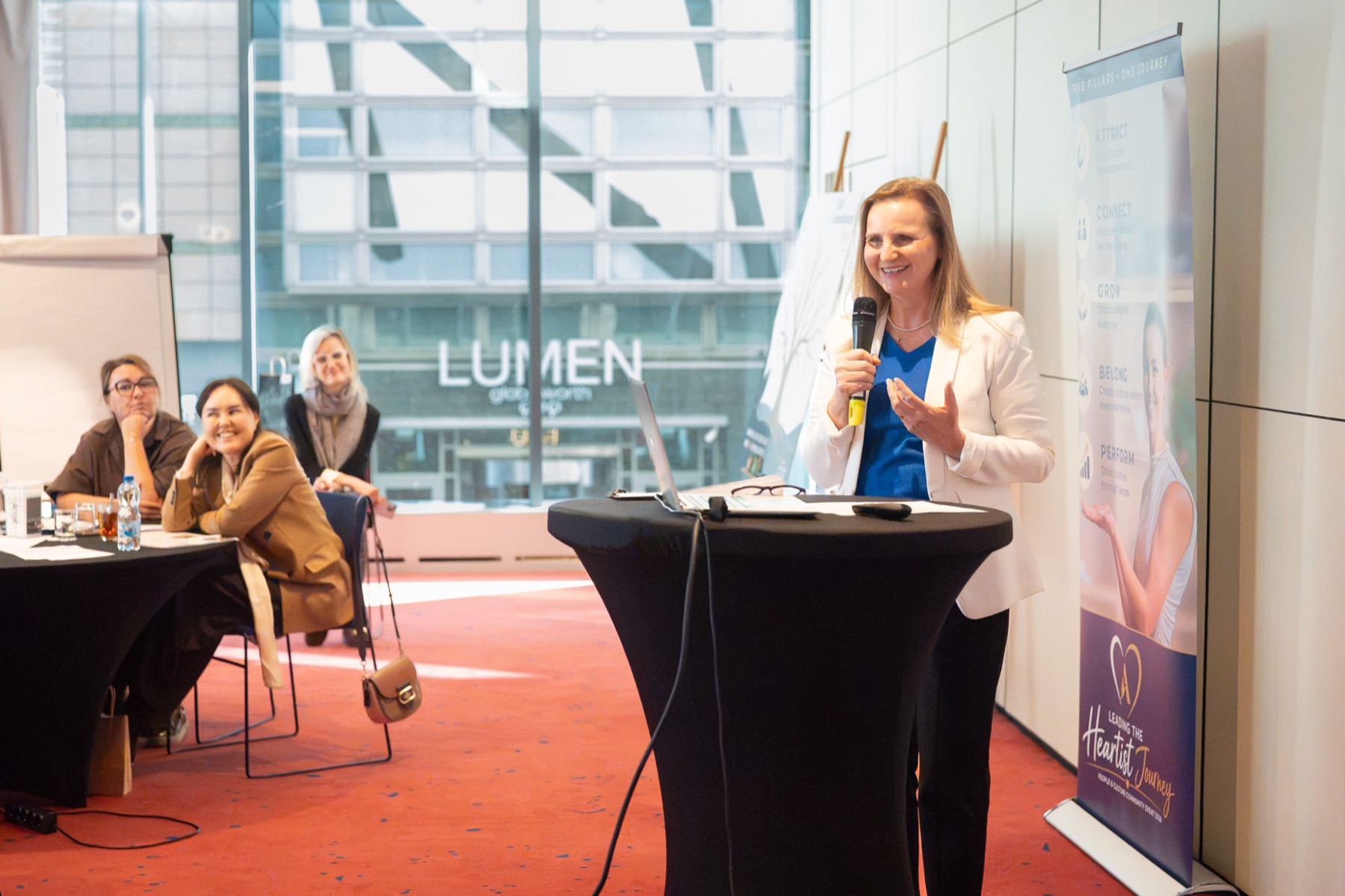
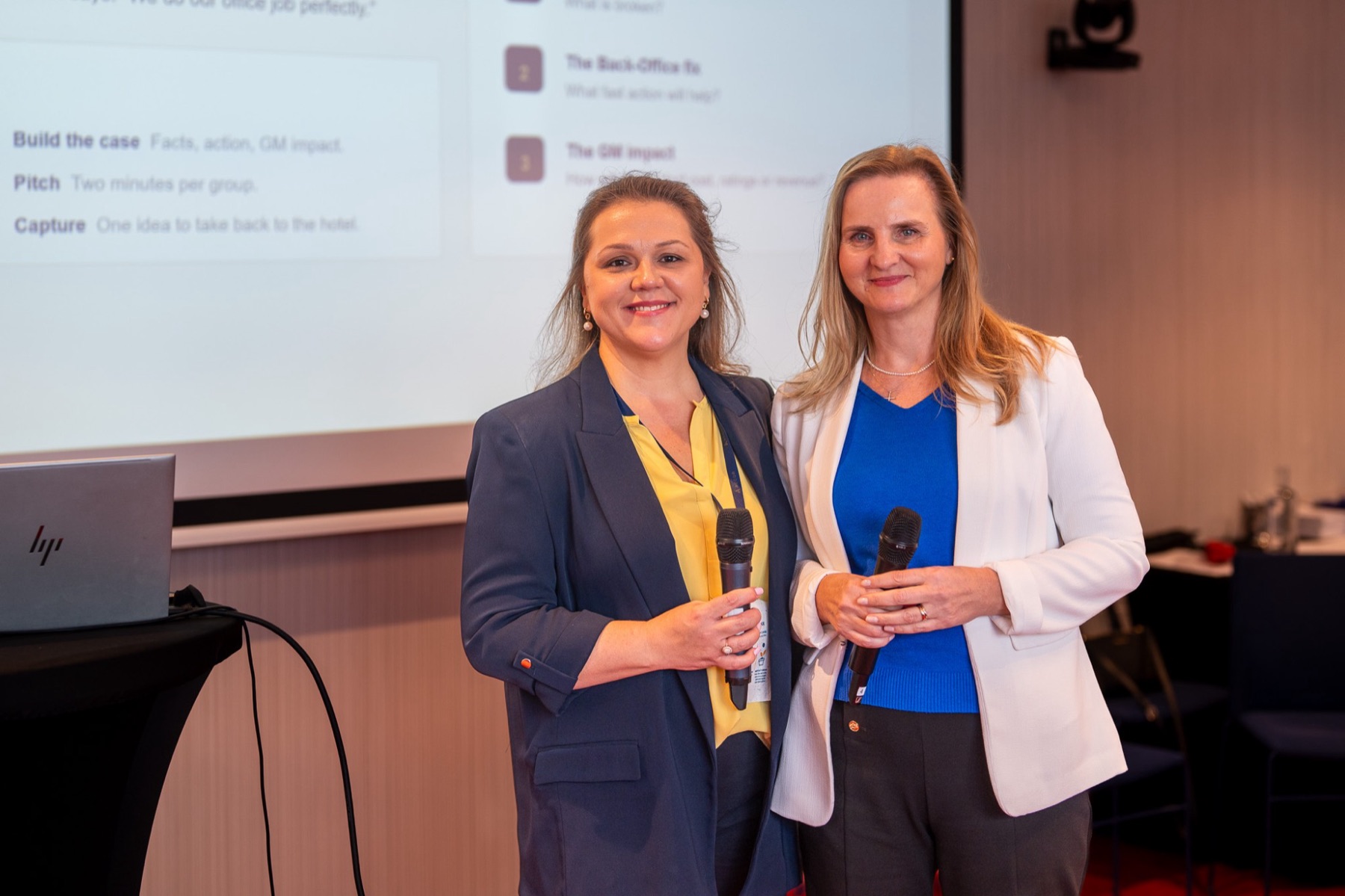
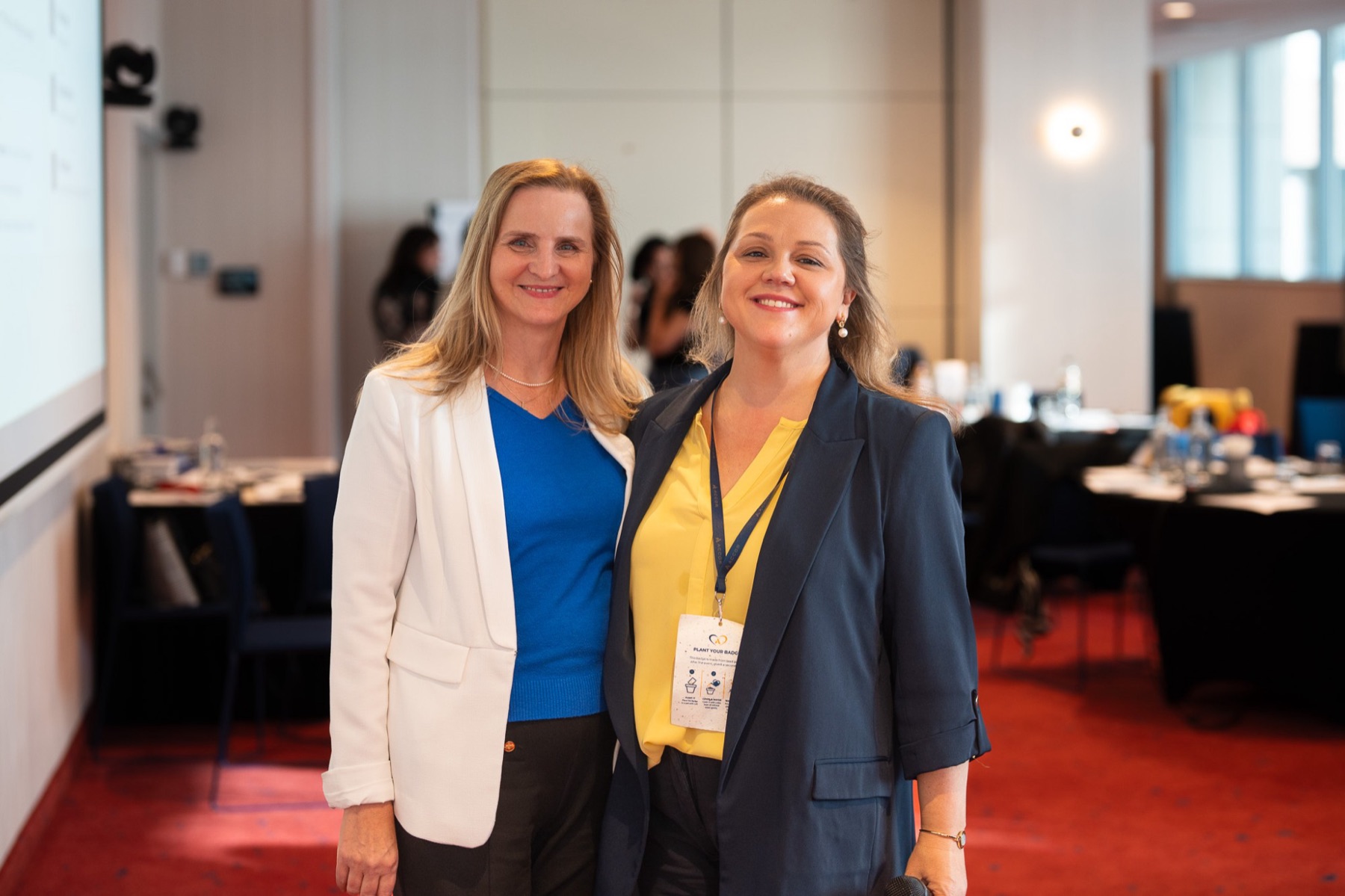
Presented by

  • Anna W. PavoneAnna W. PavoneDirector of People & Culture · Poland, Baltics, Ukraine & TRIBE ENA
  • Felicia DincăFelicia DincăPeople & Culture Manager · Romania & South-East Europe
01

The 30-second version

P&C gets support when it speaks the language of the business. A decision in the back office travels all the way to the guest, so an HR proposal should show the problem, the evidence, the action and the impact on cost, guest score or revenue. In a group challenge, teams practised pitching a plan to rescue a hotel’s peak season.

The main messageSpeak the GM’s language: show the business problem, the options and the expected impact. Then ask: how does this protect our room rate, guest score or bottom line?

A strong pitch to the GM

1 · Problem
A clear business issue
2 · Evidence
Data the GM can check
3 · Recommendation
Investment, action, support
4 · Follow-up
Measures and a review date
03

Six things to remember

  1. Say it in business terms. “We need budget for team building” sounds like a cost; “this lowers turnover and saves replacement costs” sounds like a smart decision.
  2. A delay in the back office can reach the guest: fewer people, more pressure, slower service.
  3. Guests feel the team’s mood. When the team is stressed, guests notice.
  4. Guests remember the key moments: check-in, breakfast, complaints and check-out. Protect these first.
  5. Engaged teams cost less and earn more: turnover is expensive, and better reviews let a hotel charge more.
  6. A strong pitch has four parts: problem, evidence, recommendation and follow-up.
04

What happened in the session

8 short parts, in order. Swipe to see them all, and tap one to go there:

  1. 1. Speak the GM’s language
  2. 2. From back office to guest
  3. 3. Two rules of hotel atmosphere
  4. 4. Why engagement pays
  5. 5. Group challenge: rescue the peak season
  6. 6. Three fast actions
  7. 7. Pitching to the GM: two conversations
  8. 8. What made the difference
1

Part 1 of 8

Speak the GM’s language

“We need budget for a team-building event” sounds like an unnecessary cost. “We invest in a team session to lower frontline turnover and save replacement costs” sounds like a smart business decision. Same idea, different language.

2

Part 2 of 8

From back office to guest

Back-office decisions become front-line reality, and then guest experience. A late vacancy approval leaves a gap. A smaller team works longer and makes more mistakes. The guest feels it as slower service or a missed standard.

3

Part 3 of 8

Two rules of hotel atmosphere

The mirror effect: when the team feels supported, guests feel it. When the team is stressed, guests feel that too. Pressure rarely stays behind office doors.

The key moments rule: guests remember the strongest moments and the end of the stay, like check-in, breakfast, complaints and check-out. Protect these first.

4

Part 4 of 8

Why engagement pays

Replacing someone costs about 30% of a year’s salary for frontline roles, and up to 150% for managers. The most engaged teams are also more profitable. And better guest reviews let a hotel charge more without losing guests.

5

Part 5 of 8

Group challenge: rescue the peak season

Guest ratings dropped because of long waits at front office and breakfast. Absences and overtime were rising, while the back office said: “We do our office job perfectly.”

Each group filled a pitch card (the challenge, a fast back-office fix and the impact for the GM) and pitched it in two minutes.

6

Part 6 of 8

Three fast actions

Peak-hour support: trained colleagues from other departments help where the pressure is highest. Recovery during peak shifts: short breaks, an easy way to ask for help, and managers visible on the floor. Fast-track recruitment: remove our own delays, use recommend-a-friend and keep selection criteria clear.

7

Part 7 of 8

Pitching to the GM: two conversations

In the first role-play, the HR partner said the team was tired and asked for money. The GM said no: there was no budget.

In the second, the HR partner showed the drop in guest score and the rise in overtime, proposed moving unspent budget to a peak-shift plan, and offered a review after four weeks. The GM said: “Approved. What support do you need from me?”

8

Part 8 of 8

What made the difference

Four things: a clear business problem, evidence the GM can check, a concrete recommendation, and a date to review the results. From tomorrow, ask: how does this protect our room rate, guest score or bottom line?

05

The whole workshop on one page

P&C as aBusiness Enabler1GM languageCost or investment?Problem it solvesMoney it savesClear business outcome2Ripple effectBack-office delayFront-line pressureGuest feels it3Hotel atmosphereMirror effectKey moments ruleProtect check-in, breakfastThe end of the stay counts4Why it paysTurnover is costlyEngaged teams earn moreBetter reviews, higher rates5Peak seasonPitch cardPeak-hour supportRecovery in shiftsFast-track recruitment6The pitchProblemEvidenceRecommendationFollow-up

P&C as a Business Enabler

  1. 1GM language

    • Cost or investment?
    • Problem it solves
    • Money it saves
    • Clear business outcome
  2. 2Ripple effect

    • Back-office delay
    • Front-line pressure
    • Guest feels it
  3. 3Hotel atmosphere

    • Mirror effect
    • Key moments rule
    • Protect check-in, breakfast
    • The end of the stay counts
  4. 4Why it pays

    • Turnover is costly
    • Engaged teams earn more
    • Better reviews, higher rates
  5. 5Peak season

    • Pitch card
    • Peak-hour support
    • Recovery in shifts
    • Fast-track recruitment
  6. 6The pitch

    • Problem
    • Evidence
    • Recommendation
    • Follow-up
06

Tools you can use

Business language

Say what problem it solves and what it saves or earns, not only what it costs.

The ripple effect

Back-office decision → front-line pressure → guest outcome.

Mirror effect and key moments

The team’s mood reaches guests. Protect check-in, breakfast, complaints and check-out.

Pitch card

The challenge, the back-office fix, and the GM impact on cost, ratings or revenue.

Four-part pitch

Problem, evidence, recommendation, follow-up.

07

Best quotes

“A GM is more likely to support an HR proposal when the business problem, the options and the expected impact are clear.”
Anna W. Pavone & Felicia Dincă
“Pressure rarely stays behind office doors.”
Anna W. Pavone & Felicia Dincă
“Approved. What support do you need from me?”
The GM, in the second role-play
“How does this protect our ADR, guest score or bottom line?”
The question to ask from tomorrow
08

Questions & answers

QWhat was missing in the first pitch?

AFacts and a plan. The HR partner only said the team was tired and asked for money. There was no business problem, no evidence, no clear action and no follow-up.

QWhere can the money come from?

AIn the role-play, from unspent recruitment budget, moved to a peak-shift support plan and cross-skilling, with a review of wait times, overtime and guest feedback after four weeks.

09

Try this at your hotel

  • Rewrite your next budget request in four parts: problem, evidence, recommendation, follow-up.
  • Find one back-office delay that hurts the front line, and fix it.
  • Protect the key guest moments first: check-in, breakfast, complaints, check-out.
  • Plan peak-hour support with trained colleagues from other departments.
  • Bring HR and hotel data the GM can understand and check.
  • Ask every time: how does this protect our room rate, guest score or bottom line?

We wrote this recap from Anna and Felicia’s slides. Quotes come from the slides.

↑