

Workshop 4 recap

The Universal Coach

GROWFriday 16 October 202660 minutes

Presented by

  • Joanna PasekJoanna PasekSenior HR Business Partner · Poland, Baltics & Ukraine
01

The 30-second version

As HR people, we love to solve problems fast. But when we always give the answer, people stop thinking for themselves. Joanna showed how to coach instead: ask open questions, listen, use silence and let people choose their own next step. The GROW model gives you a simple structure for the conversation.

The main messageBe less of a fixer and more of a coach. Your answer helps once. Your question helps people think, today and next time.

03

Six things to remember

  1. Giving advice feels helpful, but it can make people depend on you.
  2. Coaching is a conversation that helps someone think and choose their own way forward.
  3. Ask, don't tell. Open questions start with what, how, who or when.
  4. Listen with 100% attention, and use silence. Good ideas often come after a pause.
  5. Use GROW: Goal, Reality, Options, Way forward. End with the smallest next step.
  6. Coaching is not for every moment. In urgent situations, give clear directions.
04

What happened in the session

8 short parts, in order. Swipe to see them all, and tap one to go there:

  1. 1. Would your team be lost without you?
  2. 2. Fixer or coach?
  3. 3. What coaching is
  4. 4. Six coaching habits
  5. 5. Better questions
  6. 6. The GROW model
  7. 7. Practice in trios
  8. 8. How to change the habit
1

Part 1 of 8

Would your team be lost without you?

Imagine that on Monday nobody may ask you for a solution. Would your team be lost? When a manager says “My team is not engaged”, most of us give advice at once. Then the manager learns nothing, and the problems keep coming back.

2

Part 2 of 8

Fixer or coach?

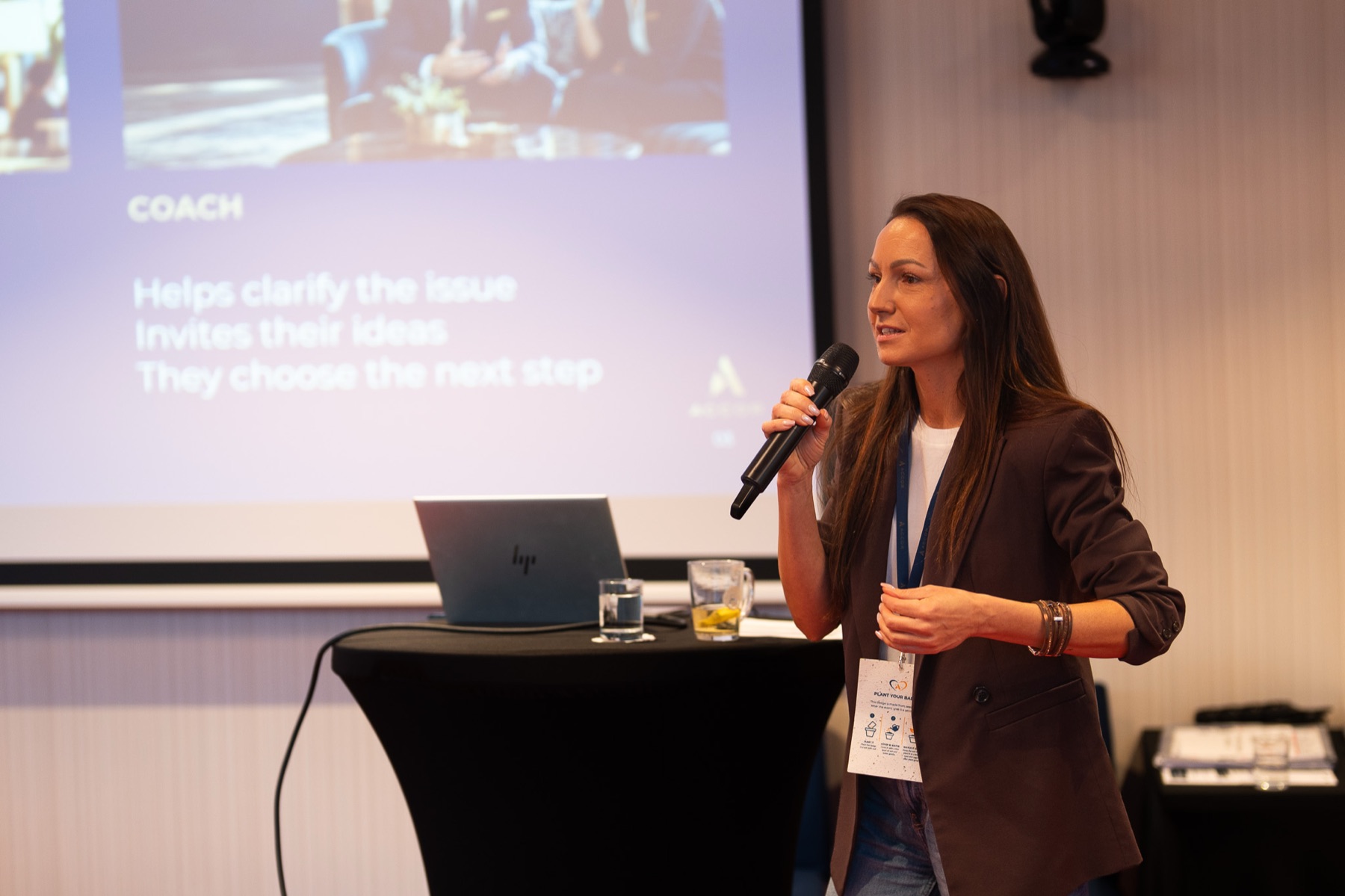
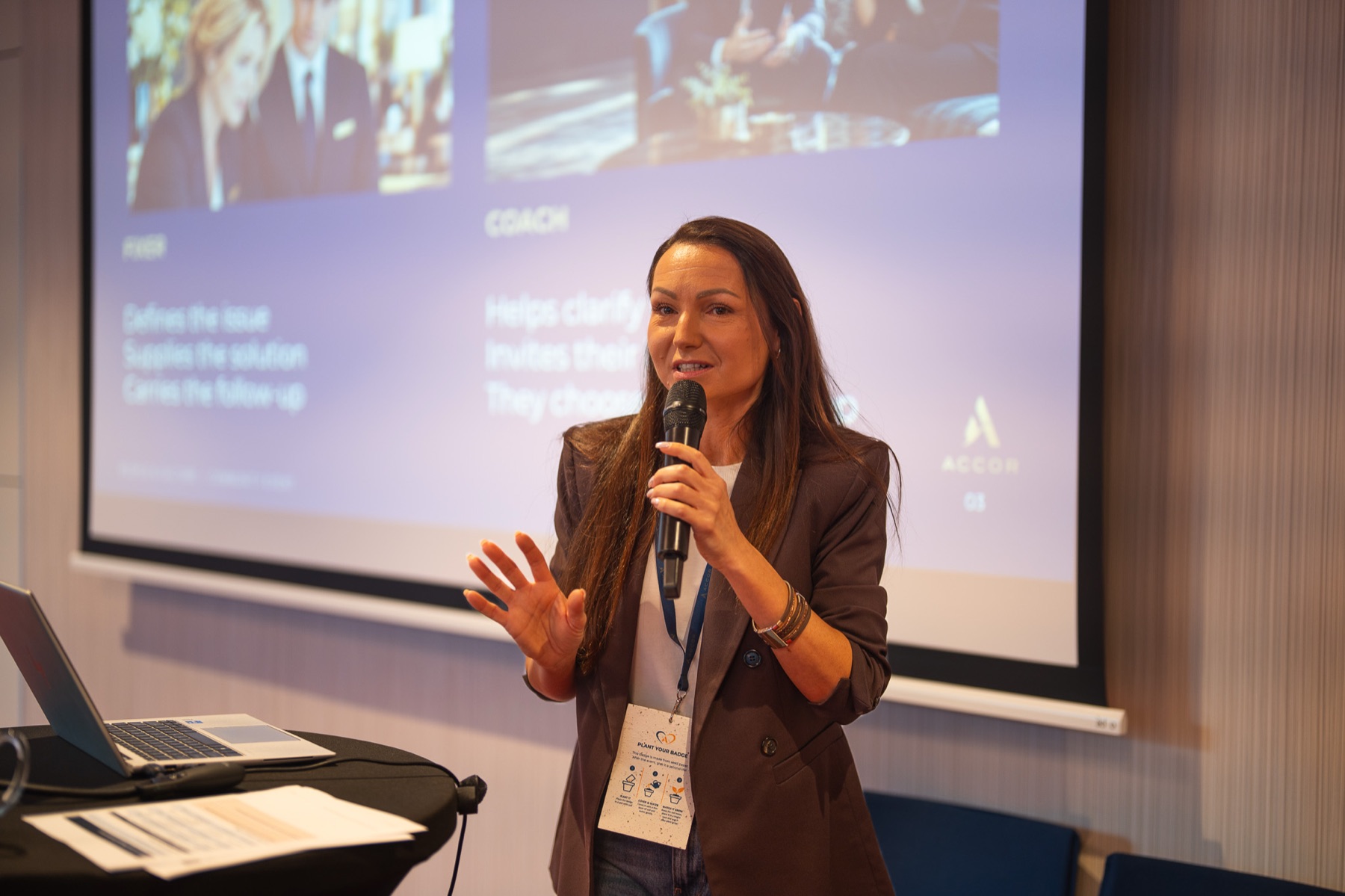
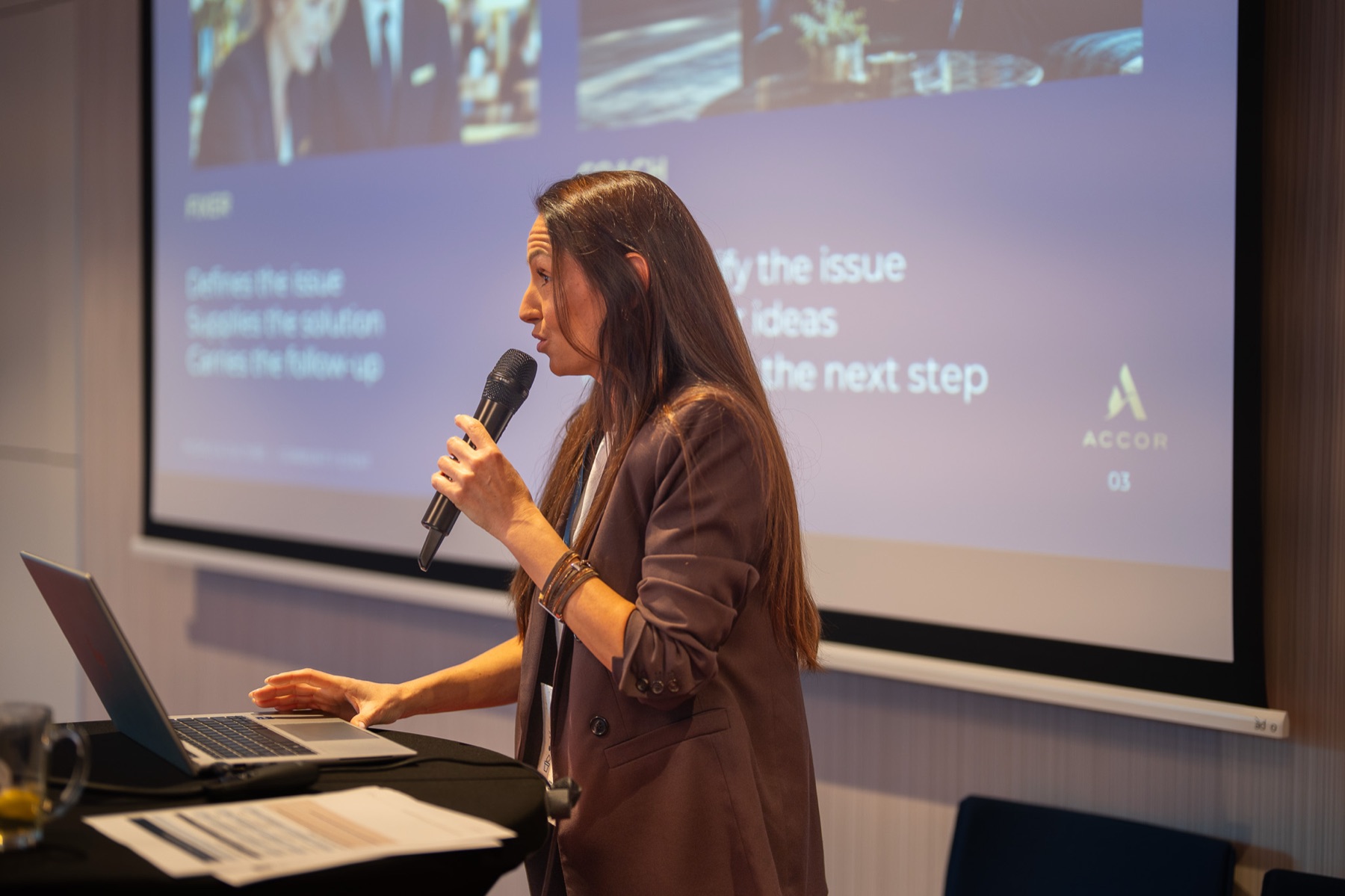
A fixer gives the answer. A coach asks questions and lets the person choose. Advice feels kind, but it can make people depend on you.

The room’s triggers for giving advice: time pressure, and wanting to protect someone.

3

Part 3 of 8

What coaching is

Coaching is a conversation that helps someone think and choose their own way forward. The responsibility moves to them: the solution, and the learning, are theirs.

4

Part 4 of 8

Six coaching habits

Believe in people. Be curious. Ask, don’t tell. Listen with full attention. Let them choose. And pause: “that tiny pause is where the coaching starts”.

5

Part 5 of 8

Better questions

Open questions make people think. “Have you tried anything?” becomes “What have you tried so far?” “Shouldn’t you ask for help?” becomes “Who could support you?”

Watch out for “Why don’t you try X?”: it is advice in disguise. And ask “What else?” more than once.

6

Part 6 of 8

The GROW model

GROW gives the conversation a structure: Goal, Reality, Options, Way forward. End with the smallest step the person can take tomorrow. Don’t rush: time spent on the goal is time well spent.

7

Part 7 of 8

Practice in trios

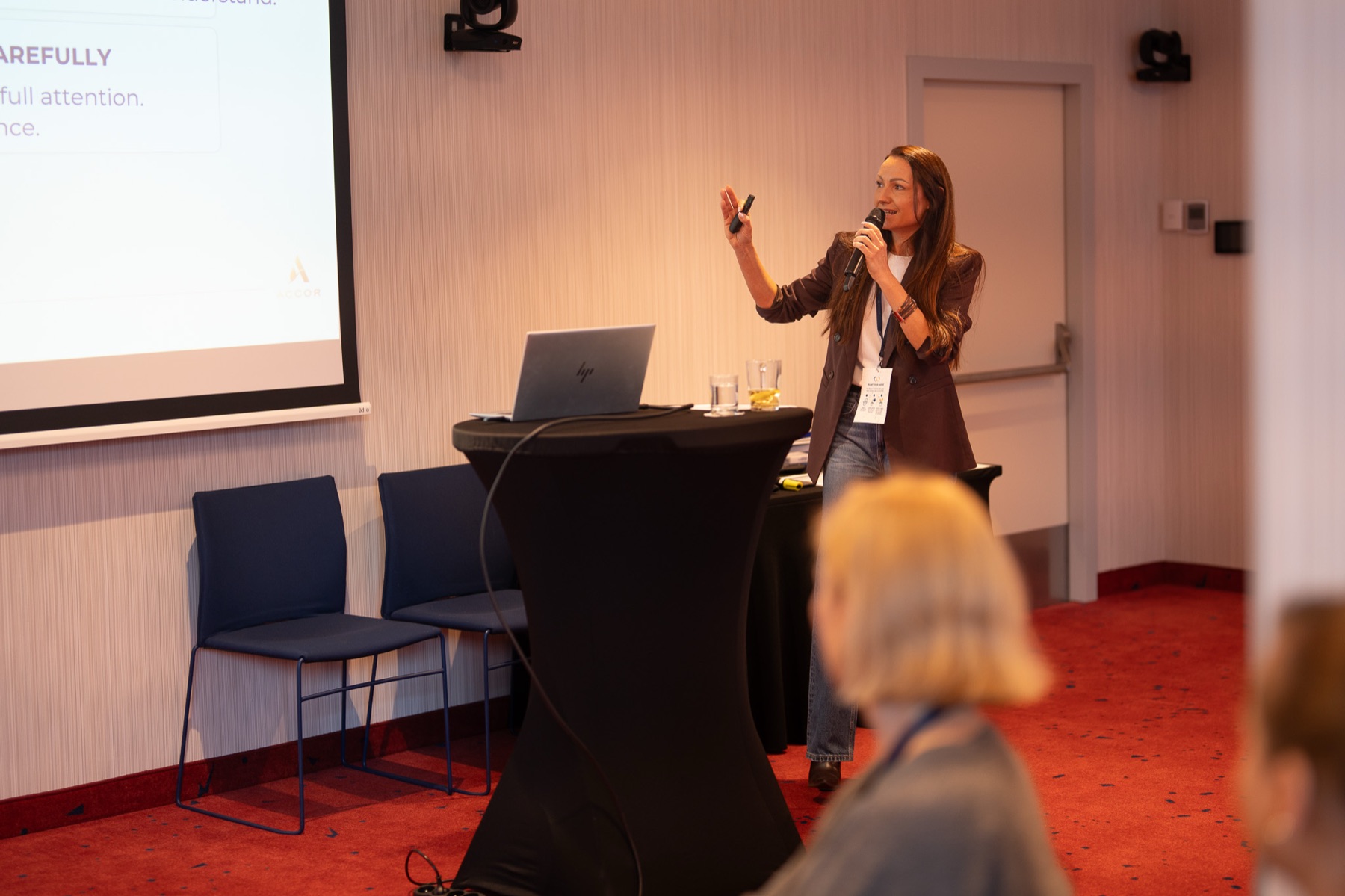
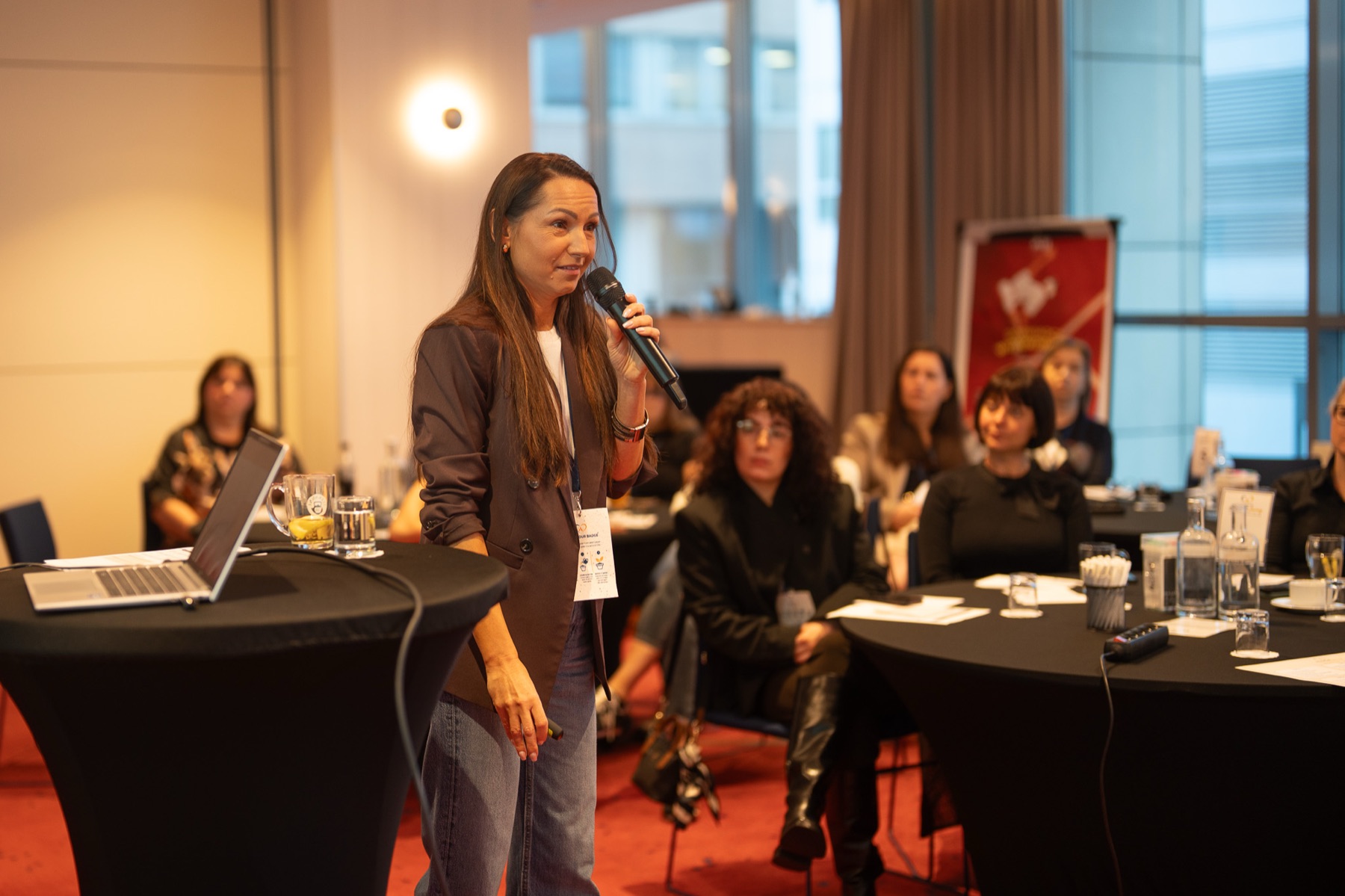
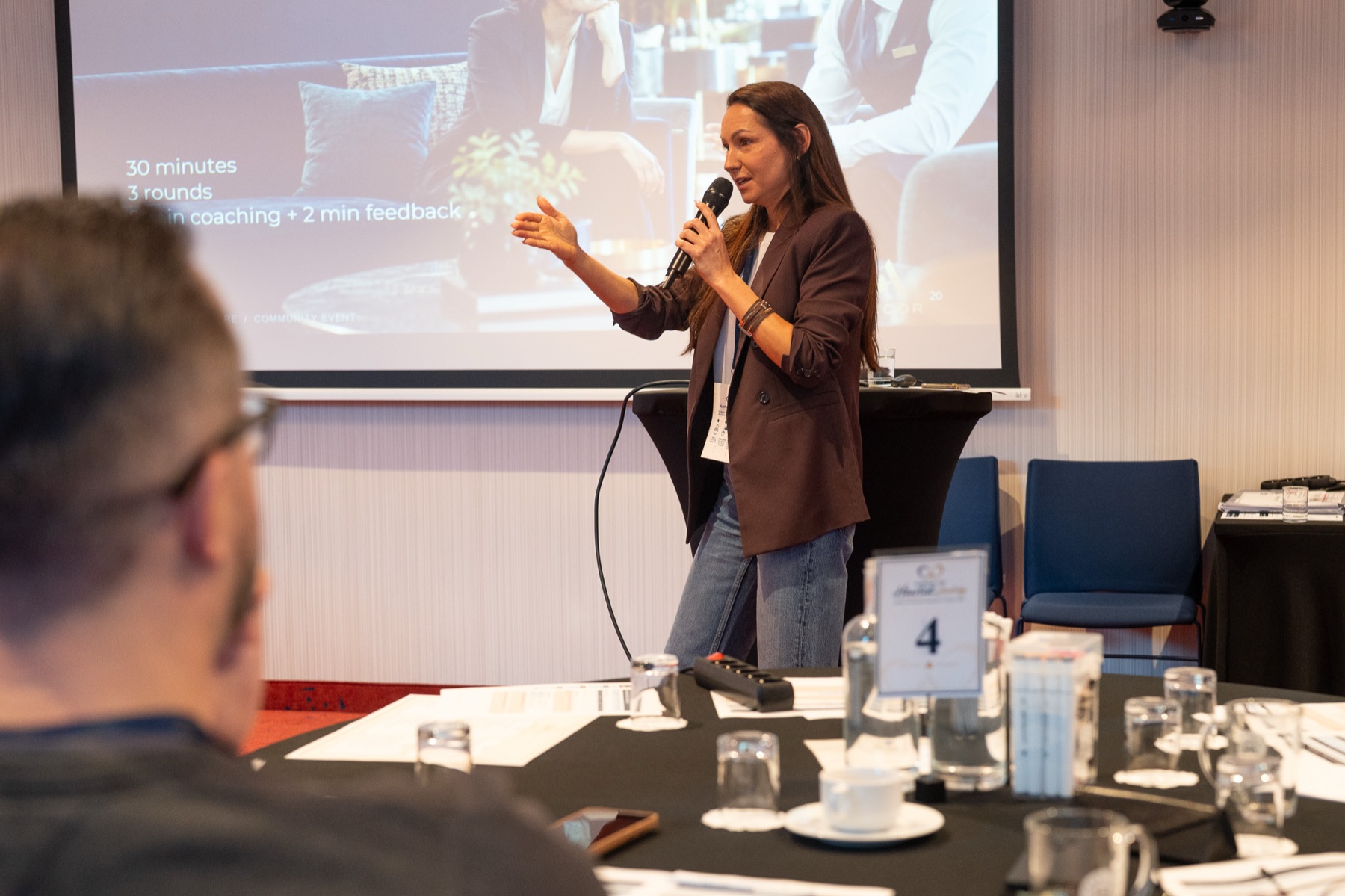
In groups of three (coach, coachee, observer), everyone practised for six minutes per round. The hardest part was not giving advice, or not leading the person to your own answer.

8

Part 8 of 8

How to change the habit

Notice the moment you want to give advice, pause, and ask an open question instead. Keep one question ready, like “What would you do?”, and a small reminder on your desk.

05

The whole workshop on one page

The UniversalCoach1Fixer or coachFixer gives the answerCoach asks questionsAdvice creates dependenceCoaching builds thinkers2What coaching isHelps someone thinkThey choose the wayResponsibility moves to themNot for every moment3Coaching habitsBelieve in themBe curiousAsk, don’t tellListen fullyPause and wait4Good questionsOpen, not closedWhat have you tried?Who could support you?What else?5GROW modelGoalRealityOptionsWay forwardSmallest next step6Change the habitNotice the momentHave one question ready“What would you do?”Keep a visible reminder

The Universal Coach

  1. 1Fixer or coach

    • Fixer gives the answer
    • Coach asks questions
    • Advice creates dependence
    • Coaching builds thinkers
  2. 2What coaching is

    • Helps someone think
    • They choose the way
    • Responsibility moves to them
    • Not for every moment
  3. 3Coaching habits

    • Believe in them
    • Be curious
    • Ask, don’t tell
    • Listen fully
    • Pause and wait
  4. 4Good questions

    • Open, not closed
    • What have you tried?
    • Who could support you?
    • What else?
  5. 5GROW model

    • Goal
    • Reality
    • Options
    • Way forward
    • Smallest next step
  6. 6Change the habit

    • Notice the moment
    • Have one question ready
    • “What would you do?”
    • Keep a visible reminder
06

Tools you can use

Fixer vs coach

Fixer: defines the problem, gives the answer. Coach: clarifies, asks for ideas, lets the person choose.

Six coaching habits

Believe, be curious, ask don’t tell, listen fully, keep ownership with them, pause.

Open questions

What have you tried so far? Who could support you? Why is this important to you? What else?

GROW

Goal, Reality, Options, Way forward. Finish with the smallest next step.

Break the advice habit

Notice, pause, ask your ready question (“What would you do?”), keep a visible reminder.

07

Best quotes

“The hidden cost of our helpfulness is employee dependence.”
Joanna Pasek
“Coaching is a conversation that helps someone think and choose their own way forward.”
Joanna Pasek
“That tiny pause is where the coaching starts.”
Joanna Pasek
“It’s their solution, not yours.”
Joanna Pasek
08

Questions & answers

QWhat makes us give advice instead of coaching?

AThe room named two triggers: time pressure, and wanting to protect someone from looking bad in front of others. One GM, who is also HR and HOD in a small hotel, said coaching makes their job easier: when the team thinks for itself, he has more time.

QWhat was hardest in the practice?

ANot giving advice. Also: asking questions that still lead the person to your own answer. The tip: notice it, pause, and ask a real open question.

09

Try this at your hotel

  • Next time a manager asks you for a solution, ask “What would you do?” first.
  • Turn three of your usual closed questions into open ones.
  • Use GROW in one real conversation this week.
  • Practise one pause: ask a question, then wait.
  • Put a small reminder on your desk to stop and ask.
  • Coach your managers so they can coach their teams.

We wrote this recap from the session recording. Quotes are slightly edited to make them easier to read.

↑