Part 1 of 8
Did you read your report?
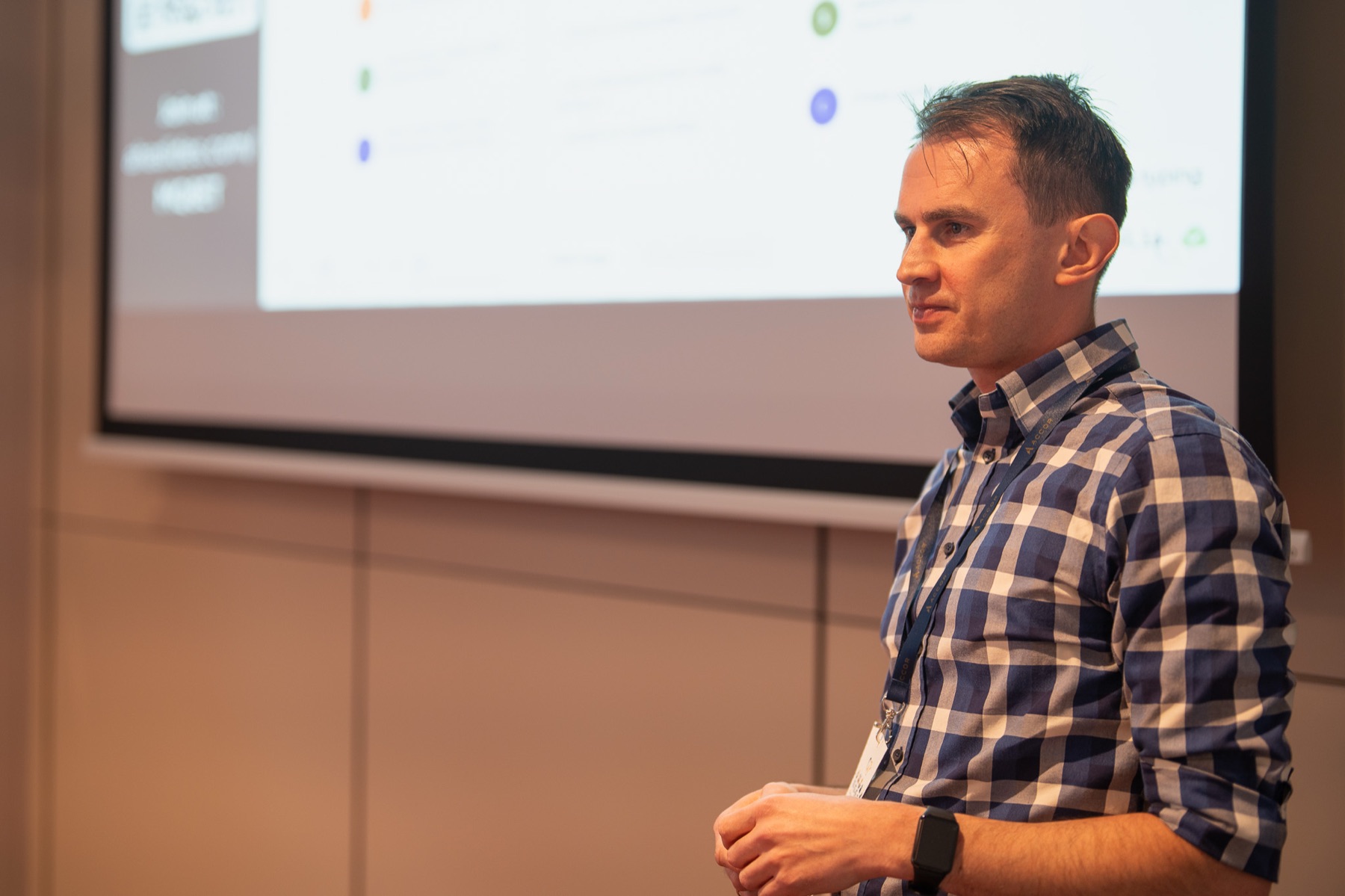
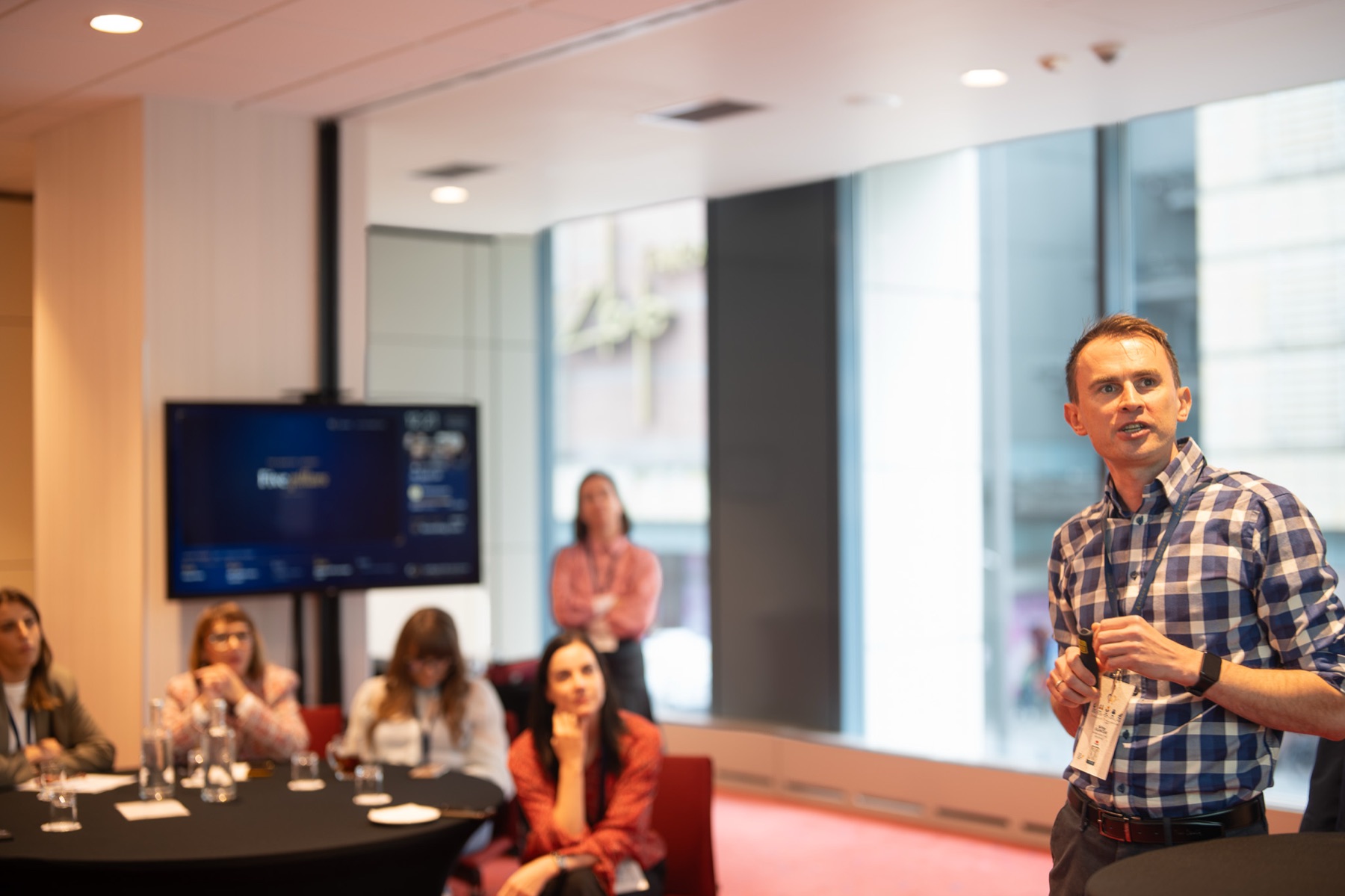
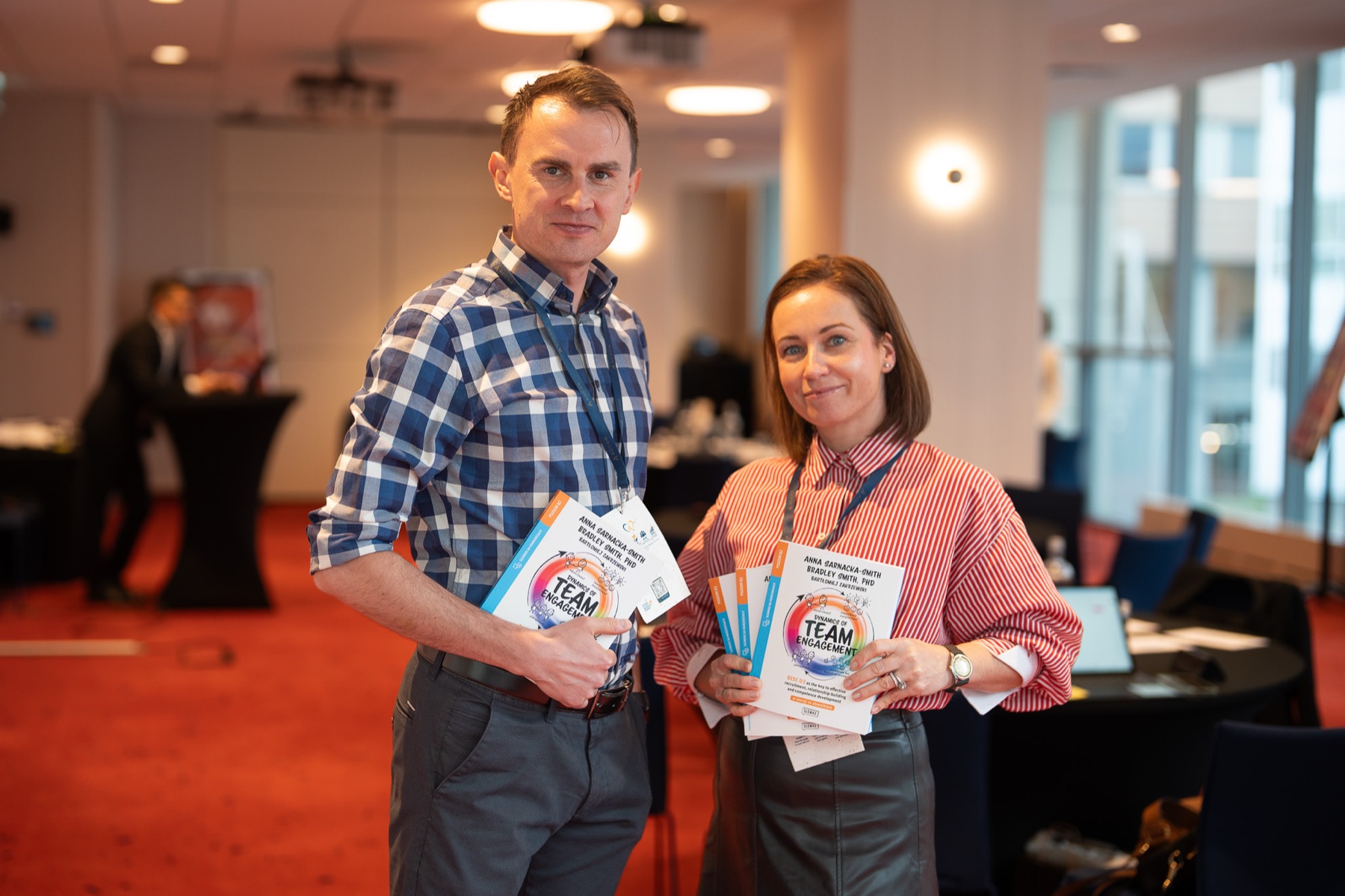
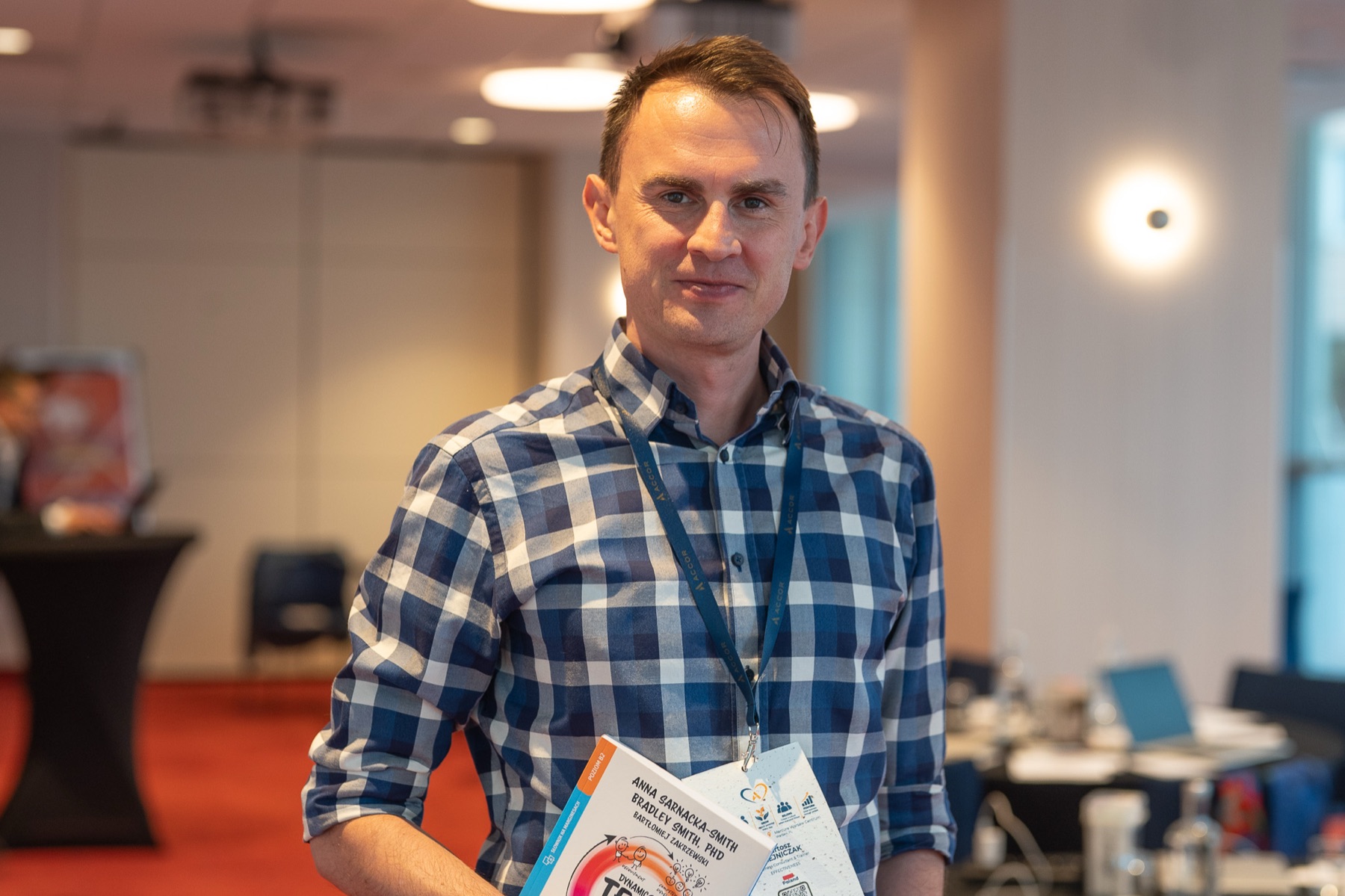
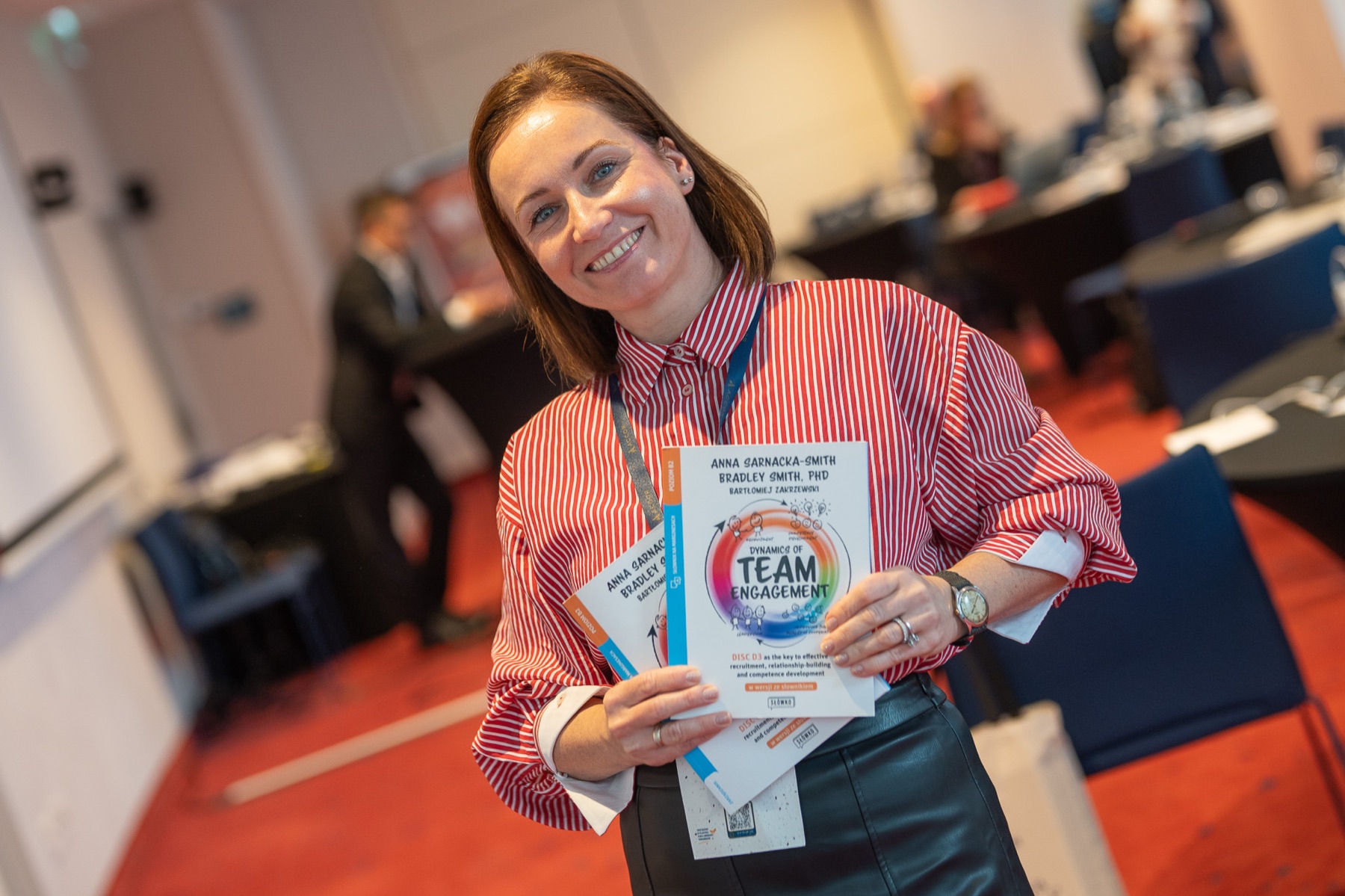
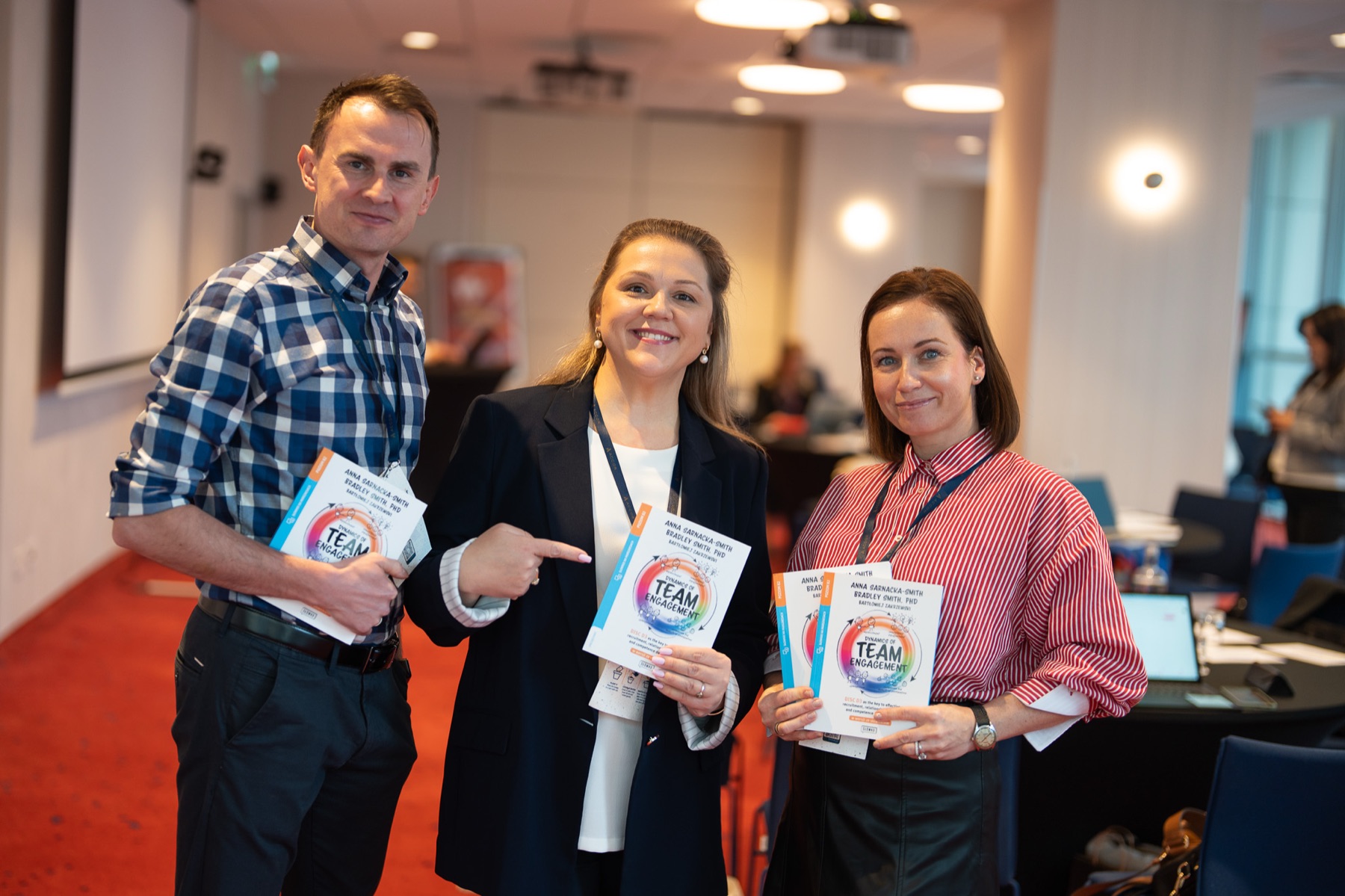
Everyone did the D3 test before the event, but few read the whole 30-page report. Bartek and Anna explained it like a game, with live polls on phones. The group won the quiz and a book about the method.
 Heartist Journey 2026
Workshop 3 recap
Presented by
 Anna RybakSenior Behavioral Consultant · EFFECTIVENESS
 Bartosz OlejniczakBusiness Consultant & Trainer · EFFECTIVENESS
 Anna W. PavoneDirector of People & Culture · Poland, Baltics, Ukraine & TRIBE ENA
DISC shows how we behave. D3 goes deeper: our preferred team roles, the values behind our decisions, and what gives us energy. Live polls showed our group’s profile: mostly Steady, strong Analysers, guided by fairness, and motivated by learning and results. Know your strength, and know when it becomes too much.
The main messageBehaviour is only the tip of the iceberg. Two people can act the same way for very different reasons. Understand yourself first, then your team.
Our community’s D3 profile
8 short parts, in order. Swipe to see them all, and tap one to go there:
Part 1 of 8
Everyone did the D3 test before the event, but few read the whole 30-page report. Bartek and Anna explained it like a game, with live polls on phones. The group won the quiz and a book about the method.
Part 2 of 8
DISC has four styles. D: fast and direct (“Trust me”). I: energetic and social (“Like me”). S: calm and loyal (“Assure me”). C: careful and precise (“Inform me”). We all have a mix of them.
Our group: 52% are mainly Steady, then Compliant.
Part 3 of 8
Each style fears something: D fears losing control, I fears rejection, S fears sudden change, C fears mistakes. Under stress, our group slows down to ask others and collect information.
Tip: when a GM wants an answer now, say what you need, for example “two hours”.
Part 4 of 8
D3 has five team roles: Theorist, Strategist, Analyser, Manager and Executor. They are preferences, not skills. 77% of our group are Analysers: we are good at quality and at finding problems.
Part 5 of 8
Four values guide our decisions: Loyalty, Equivalence, Personal freedom and Justice. Most of our group decide with Justice: they look for a fair, win-win solution. You notice your values most when a decision frustrates you.
Part 6 of 8
Six motivators give us energy: purpose, helping others, power, results, creativity and learning. Our group is driven by Knowledge first, then Economy (reaching goals).
Two people can act the same way for very different reasons. Bartek’s own profile showed it.
Part 7 of 8
Your superpower is what you do and why you do it. Do it too much and it becomes your shadow. One example from the room: “I organise everything well. When I do it too much, I become too controlling.”
Part 8 of 8
D3 helps with recruitment, onboarding, team building and coaching leaders. Anna W. Pavone’s P&C team did the test, personal sessions and a team workshop. Now they understand each other better and share projects by profile.
To finish, everyone named one team they would like to run D3 with in the next 90 days.
What Fuels a Heartist?
D, I, S, C: four ways we behave. Check your normal graph and your stress graph.
Theorist, Strategist, Analyser, Manager, Executor. Preferences, not skills.
Loyalty, Equivalence, Personal freedom, Justice: how we decide.
Inner awareness, Social, Power, Economy, Artistic, Knowledge: what gives us energy.
“I do ___ so that ___. When I do it too much, ___.”
“We have a mix of all of those styles within us.”
“This model describes how we behave. It doesn’t describe why we behave this way.”
“When we turn the volume up too high, this superpower can become our shadow.”
“We need to understand ourselves before we can read the room and work with our teams.”
QHow did the P&C team use D3?
AIn two steps. First, each person did the test and had a personal session (60 to 90 minutes, online or face to face). Then the team had a workshop together, one or two days depending on size.
QWho is it for in my hotel?
APeople who want to grow, management teams, and departments that often clash. There is a cost, so prepare a business case. Workshop 7 explains how.
We wrote this recap from the session recording and checked it against the presenters’ slides.